An e-bike battery recall check must identify three separate objects: the bicycle, the battery pack, and the charger. Copy the model and serial information from each label, then compare every stated condition in the current CPSC notice. A matching brand, a familiar battery shape, or a UL mark alone cannot show that a particular pack is included or excluded.
Reviewed August 26, 2026. Battery campaigns and remedy instructions can change, so reopen the federal record before charging, transporting, selling, or submitting a claim. If the pack is hot, swollen, leaking, hissing, smoking, or physically damaged, move first to the immediate safety instructions below rather than continuing a close label inspection.
Separate the bike, pack, and charger on paper
An e-bike sold as one package can contain electrical parts made by different firms. Photograph the bicycle frame label, the removable or built-in battery label, the charger brick, and both connector ends. Include the retailer order and any replacement-pack receipt. Do not assume that a later battery came with the original bike or that two packs used on the same frame share a campaign.
| Object | Evidence to copy | Question it answers |
|---|---|---|
| Bicycle | Brand, complete model, frame serial, purchase channel | Which finished product and seller are involved |
| Battery | Manufacturer, model, serial, voltage, capacity, date or batch code | Whether the exact pack enters the affected population |
| Charger | Model, input and output ratings, connector, certification marks | Whether the paired charging equipment is named or compatible |
| Campaign | CPSC recall number, notice date, affected fields, remedy | Which official action controls this unit |
Preserve leading zeroes, suffixes, spaces, and hyphens. A search form may accept a simplified version, but the final comparison must return to the label exactly as printed. If the battery has been rebuilt, re-celled, wrapped with a replacement sticker, or moved from another bicycle, note that history as a separate fact rather than editing the apparent model.
Treat a UL mark as supporting evidence, not a recall result
The CPSC micromobility safety center advises consumers to use products and batteries designed, manufactured, and certified for applicable safety standards and to use the supplied charging equipment. That guidance matters, but certification and recall scope answer different questions. A mark does not cancel a later recall, authenticate the printed label, or make an unlisted charger suitable for the pack.
Record the complete certification mark and any control or file number without declaring it valid from appearance. The recall notice may identify a model regardless of the mark, or it may describe a finished e-bike whose battery label uses another name. Use the certification information to support identity and charger compatibility only as far as the issuer or campaign states.
Apply the notice conditions as a single test
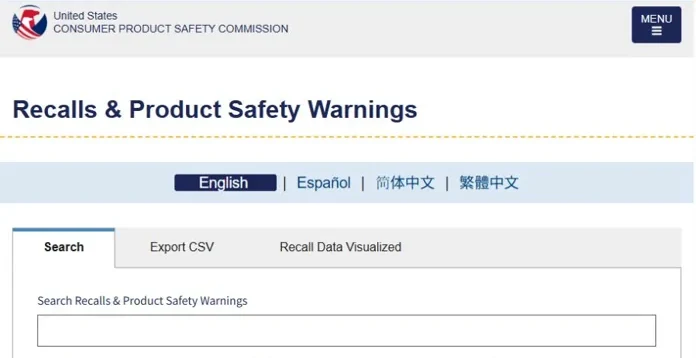
Search the CPSC recalls and product safety warnings first with the exact battery model, then the e-bike brand and model, battery manufacturer, and retailer name. Open every plausible record. Read the description, identifying photographs, sale window, hazard, consumer action, and remedy together. A news headline usually omits the serial range or sales-channel condition that decides the match.
- Confirm that the notice covers an e-bike, a separate battery, a charger, or a named combination.
- Locate the complete model row and any serial, batch, date, voltage, or capacity limits.
- Check whether retailer, color, connector, or purchase dates further narrow the population.
- Copy the current stop-use language and remedy contact from that same campaign.
Think of these fields as conditions joined by and unless the notice clearly presents alternatives. One conclusive mismatch can exclude the pack from that record. An unreadable serial, missing batch label, or ambiguous replacement history produces an unresolved result, not a safe one. Repeat the process for any other campaign that names the brand or manufacturer.
Recover a missing or unreadable battery label
Look for the original order page, invoice, manual, warranty registration, app device record, shipping carton, prior repair ticket, or photographs taken before the label wore away. Ask the bicycle and battery manufacturers separately where the identifier should appear. A frame serial does not automatically identify a removable pack, and a charger model cannot be converted into a battery serial.
For a secondhand or marketplace purchase, retain the listing, seller messages, and photographs. Search both the advertised brand and every name printed on the electrical labels. The electric scooter and hoverboard recall guide offers a related micromobility identity workflow, while the battery and power-bank guide helps when the pack is sold independently. If no document can resolve the battery, record exactly what is missing and request written identification from the responsible firm.
Heat or damage changes the next move
Do not charge a pack to see whether a warning sign repeats. CPSC warns against using incompatible chargers and advises stopping use when a battery shows overheating, swelling, unusual odor, color or shape change, leaking, or odd noises. Keep people away from an active fire or smoke event and use emergency services. Do not handle, puncture, open, ship, or place a damaged lithium-ion pack in household trash merely to satisfy an online form.
A hazard observation and a recall match remain separate records. Visible damage can demand urgent action even when no campaign appears, while an affected pack may show no visible problem. Preserve photographs and identifiers only when it is safe to do so. An incident report to CPSC supplies safety information; it does not enroll the owner in a refund or replacement program.
Keep the remedy attached to one battery
Use the contact path and evidence request in the current notice. Save the campaign number, battery model and serial, claim number, submission date, promised remedy, and any shipping or disposal instruction. If the firm asks for a cut connector, marked label, or destruction photograph, obtain the instruction before altering the pack. Lithium-battery transport rules may make an ordinary parcel return inappropriate.
The recall remedy guide explains the difference between a submitted claim and a completed refund, repair, or replacement. When several batteries are owned, give each a separate evidence row. A replacement for one serial does not close another pack stored in a garage, mounted on a second bike, or loaned to a family member.
Close with affected, excluded, or unresolved
An affected finding records the campaign and all matching identifiers. An excluded finding names the decisive field that differs. An unresolved finding lists the missing or unreadable evidence and the next manufacturer or regulator request. None of those labels certifies the present condition of the battery, verifies a UL mark, or predicts whether a future notice will appear. Save the official URLs and check date, then recheck before seasonal reuse, resale, or pairing the pack with different charging equipment.